

The Best Guide for California Almond Blossoms
This Post May Contain Affiliate LinksIf you've ever dreamed of walking through soft, white blossoms that look like spring snow, California almond blossoms are one of the most breathtaking seasonal displays in the entire state.
As a photographer, I look forward to almond blossom season every year, not just for the beauty of the orchards, but for the history, agriculture, and family stories intertwined with California’s iconic almond farms.
Whether you're planning a photoshoot, a spring road trip, or simply want to learn more about this mesmerizing bloom, this guide will walk you through everything you need to know.
A Brief History of Almond Blossoms in California
Almond trees aren’t native to California, they originated in the Mediterranean and Middle East, but the state’s warm, dry summers and mild, wet winters create perfect growing conditions.
How California Almonds Became an Icon
Almonds first arrived in California in the 1850s during the Gold Rush era.
By the early 1900s, commercial orchards were spreading across the Central Valley.
Today, California grows over 80% of the world’s almonds, making it the largest almond-producing region on the planet.
The annual bloom, usually in February, marks the start of the agricultural year and transforms the valley into a pastel landscape that photographers, travelers, and locals look forward to all winter.
The almond bloom is a crucial moment for farmers. Bees arrive in the millions to pollinate the orchards, making this one of the largest pollination events in the United States.
When Is Almond Blossom Season in California?
Bloom season generally spans:
Late February - Early March
Every year varies slightly depending on:
Rainfall
Winter temperatures
Orchard elevation and variety
The bloom typically lasts 2–3 weeks, with peak bloom lasting only a few days. Photographers often watch orchard reports closely so they can catch the blossoms at their fullest and fluffiest.
Why the Bloom Window Is So Short
Almond blossoms are delicate. A single storm, cold snap, or strong wind can shorten the bloom drastically. Because the trees bloom all at once and then quickly move into petal fall, the peak is famously brief—sometimes just 5–10 perfect days.
This is why photographers and locals eagerly follow orchard updates each year. Once the bloom starts, it moves fast.
How to Predict the Bloom Each Year
To estimate bloom timing, watch for:
Warmer-than-average January → early bloom
Cool, rainy February → delayed bloom
Extended frost → slow start
Bee arrival → farmers move hives in about 1–2 weeks before predicted bloom
Many photographers and travelers will keep an eye on:
California orchard reports
Local almond growers’ associations
Instagram updates from photographers across the valley
Want to Visit More California Flowers?
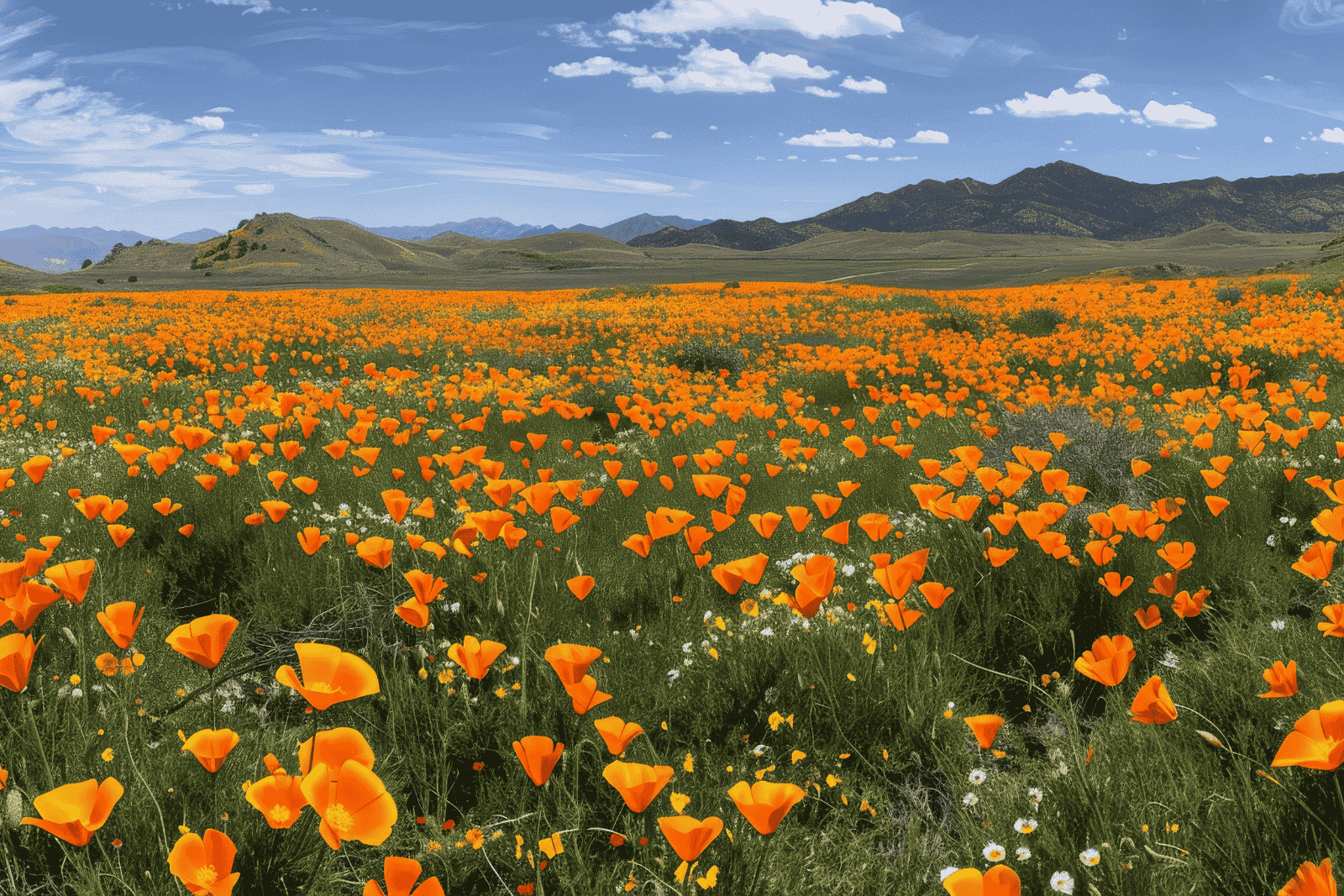
Discover the Best Flower Fields Near Los Angeles
Find the best flower fields in Southern California for stunning spring photos! From cherry blossoms to poppies, explore breathtaking locations in full bloom.
Where to See California Almond Blossoms
California’s almond orchards stretch for miles up and down the Central Valley. Roughly from Bakersfield to Chico. Here are the best regions and specific spots to experience the bloom:
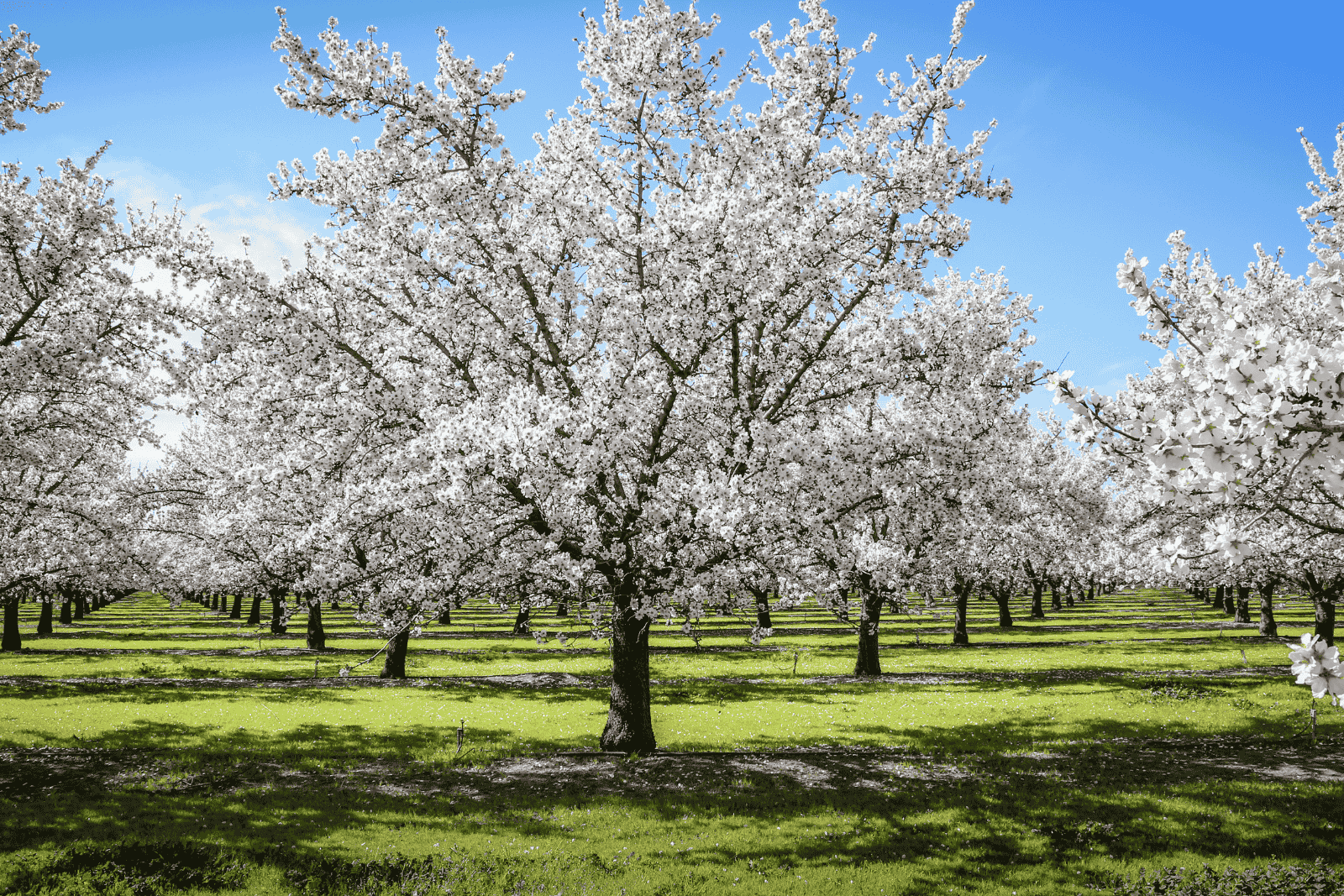
1. Bakersfield & Kern County
The southernmost zone of the Central Valley, and one of the earliest to bloom.
Why visit:
Usually the first blossoms of the season
Wide, open orchards with easy roadside access
Consistent weather and minimal fog
Photography note:
This area often blooms in mid-late February, making it ideal for photographers who want to kick off spring sessions early.
2. Fresno County
Fresno is the heart of California’s almond production.
Why visit:
Massive concentrations of orchards
Backroads lined with blossoms
Easy travel access from Highway 99
Nearby attractions:
Fresno Blossom Trail (mostly stone fruit but intersects with almond groves)
Old Town Clovis for a cute post-photoshoot stop
3. Modesto & Stanislaus County
One of the most popular areas for almond blossom photography.
Why visit:
Stunning, symmetrical orchard rows
Many orchards near the foothills for scenic backdrops
Mild weather during bloom season
Local tip:
This region hosts the famous Almond Blossom Festival in Ripon every March.
4. Sacramento Valley (Woodland, Arbuckle & Chico)
These northern areas bloom slightly later than the southern Central Valley.
Why visit:
Cooler weather = blossoms can last longer
Rolling green hills meet orchards
Quieter, less crowded than Fresno/Modesto
Fun history note:
The University of California at Davis has played a huge role in developing modern almond varieties and farming practices.
Tips for Visiting California’s Almond Blossoms
1. Respect Private Property
Most almond orchards in California are privately owned and actively farmed, which means visitors must be mindful when exploring the area.
While the blossoms are beautiful from the roadside, stepping into the orchards without permission can harm the trees, disrupt pollination, and damage irrigation lines hidden beneath the soil.
Enjoy the blossoms from public access points unless you have explicit approval from a farmer. A respectful approach ensures these groves remain healthy and accessible year after year.
2. Visit During the Week
If you want a peaceful experience without crowds or road congestion, plan your visit during the week. Weekends are the busiest time, with travelers and photographers flocking to catch peak bloom. Weekday mornings and afternoons are less crowded, giving you plenty of time to pull over safely, soak in the scenery, and enjoy the delicate blossoms without feeling rushed.
3. Respect the Bees
One of the most surprising aspects of almond blossom season is the sound, an entire valley humming with millions of bees.
Bees are essential during this time, as almond trees rely entirely on pollination to produce nuts. Although the buzzing can be intense, the bees are focused on their work and generally ignore visitors.
Wearing light scents, remaining calm, and giving any visible hives a respectful distance will make the experience both safe and enjoyable.
Those with allergies should prepare accordingly before visiting.
4. Dress for Cooler Weather
Despite the spring-like scenery, the Central Valley can still be super cold.
Mornings may be crisp or foggy, while afternoons warm quickly into the 60s or 70s. Dressing in layers helps you stay comfortable throughout the day, and wearing shoes that can handle dust (or mud after rainy weeks) is recommended.
Blossom season is short and heavily influenced by weather, so checking recent conditions before you go can help set expectations.
5. Plan Your Route Ahead of Time
The Central Valley spans more than 400 miles, and bloom timing varies by region.
Bakersfield and Kern County typically bloom first, followed by Fresno, Modesto, and the densest orchard regions, while Woodland and Chico often reach peak bloom last.
Planning your route helps you target the areas that are currently blooming and ensures you make the most of your trip.
6. Check the Bloom Forecasts
Because almond blossoms open according to temperature patterns and rainfall, bloom dates vary from year to year.
It’s helpful to check updates from local farmers, orchard associations, or photographers who track seasonal changes closely. The bloom can shift by as much as two weeks depending on winter conditions, and staying informed ensures you catch the orchards at their most stunning.
7. Support Local Communities
The rural towns surrounding California’s almond orchards are full of charming local businesses that depend on seasonal visitors.
Consider stopping for coffee, enjoying a local bakery, browsing a farm stand, or picking up regional produce during your trip.
These small purchases support the families and growers who maintain the orchards and preserve the agricultural heritage of the Central Valley.
California’s almond blossoms are a beautiful piece of the state’s agricultural history, a symbol of spring’s arrival, and one of the most striking natural displays you'll ever experience.
Whether you're planning to photograph them, road-trip through the Central Valley, or simply want to understand this iconic bloom, I hope this guide helps you appreciate just how special this season truly is.
Interested in an Almond Blossom Photoshoot this Season?
View Related Blog Posts
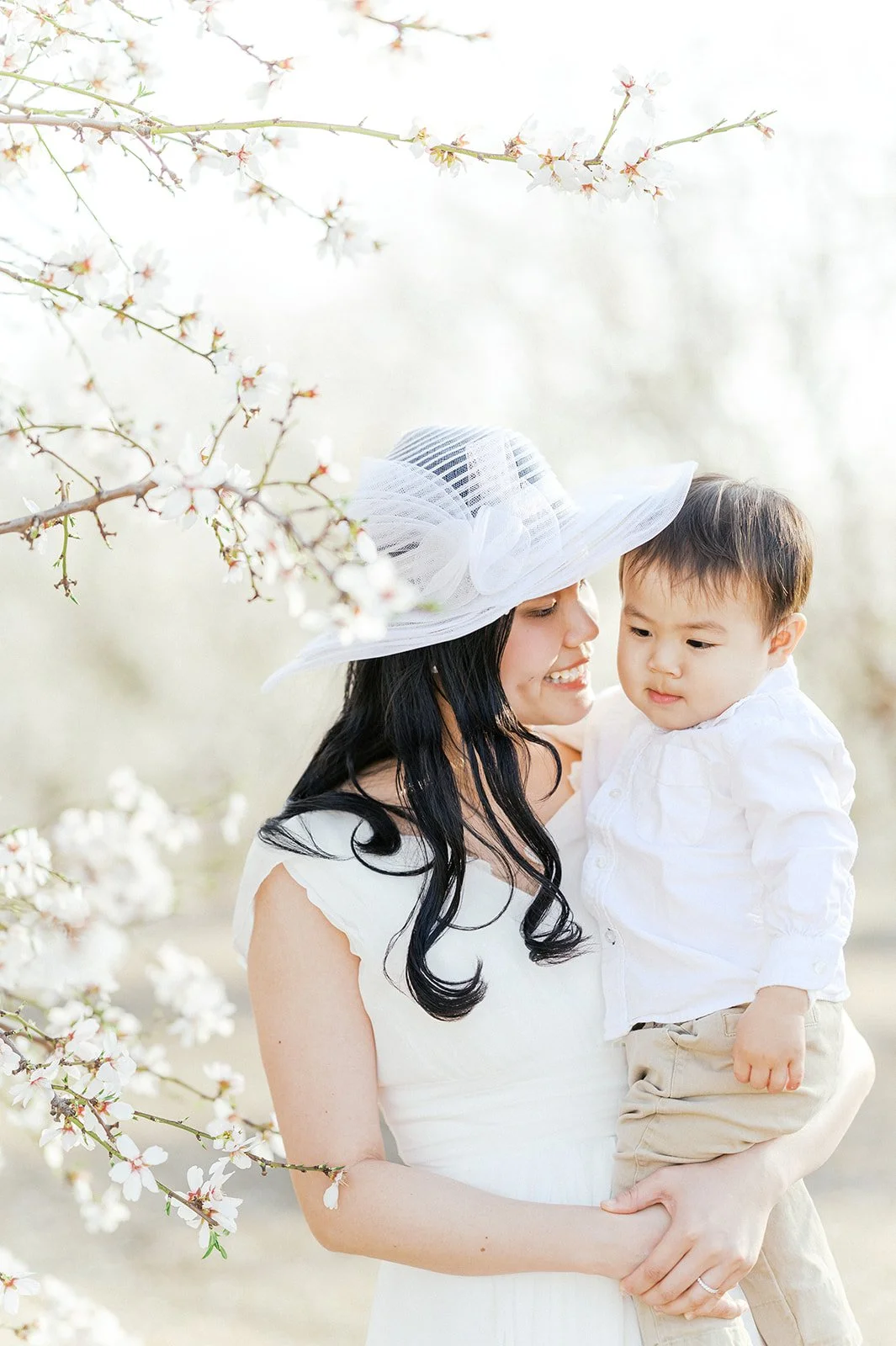
View Similar Sessions
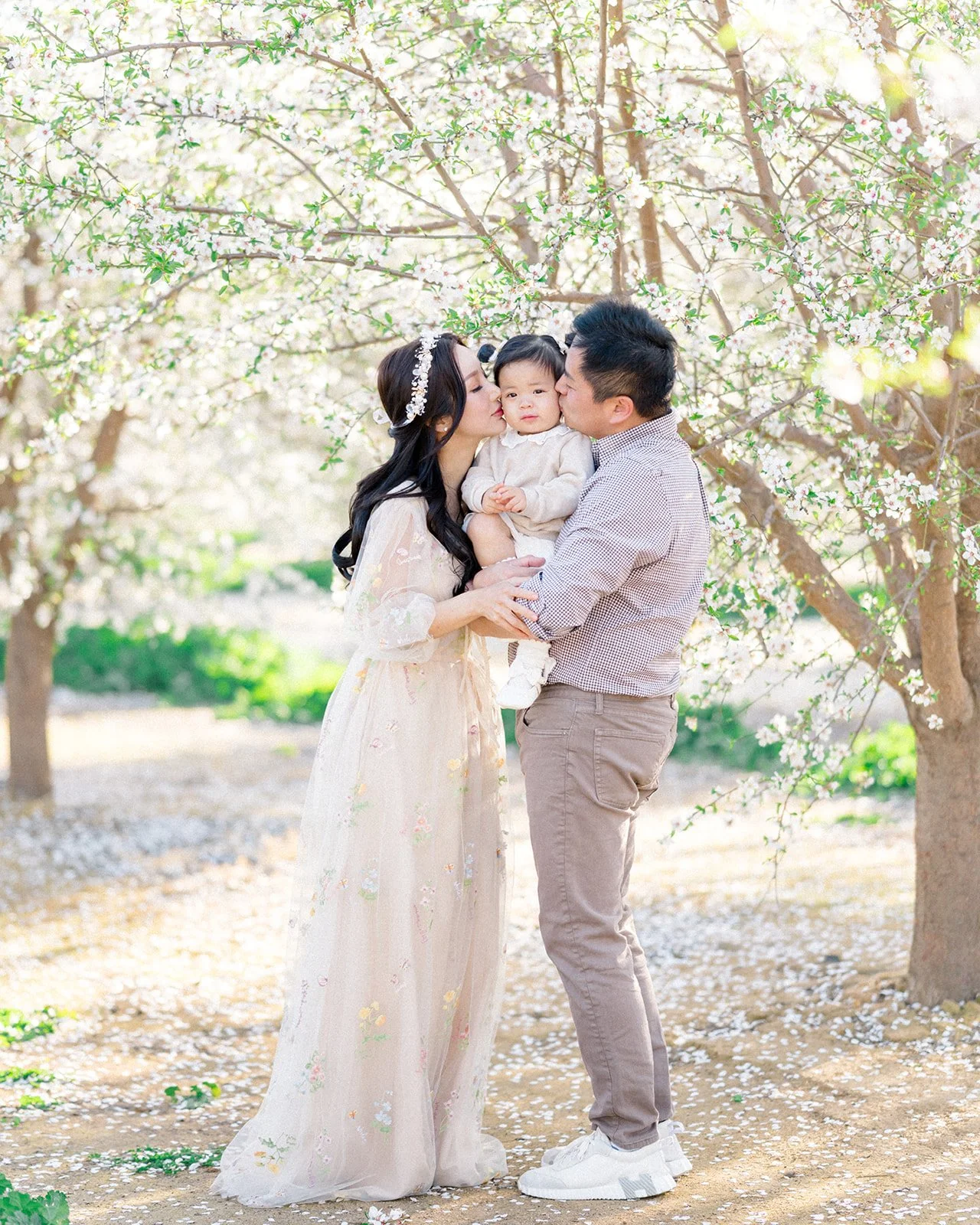
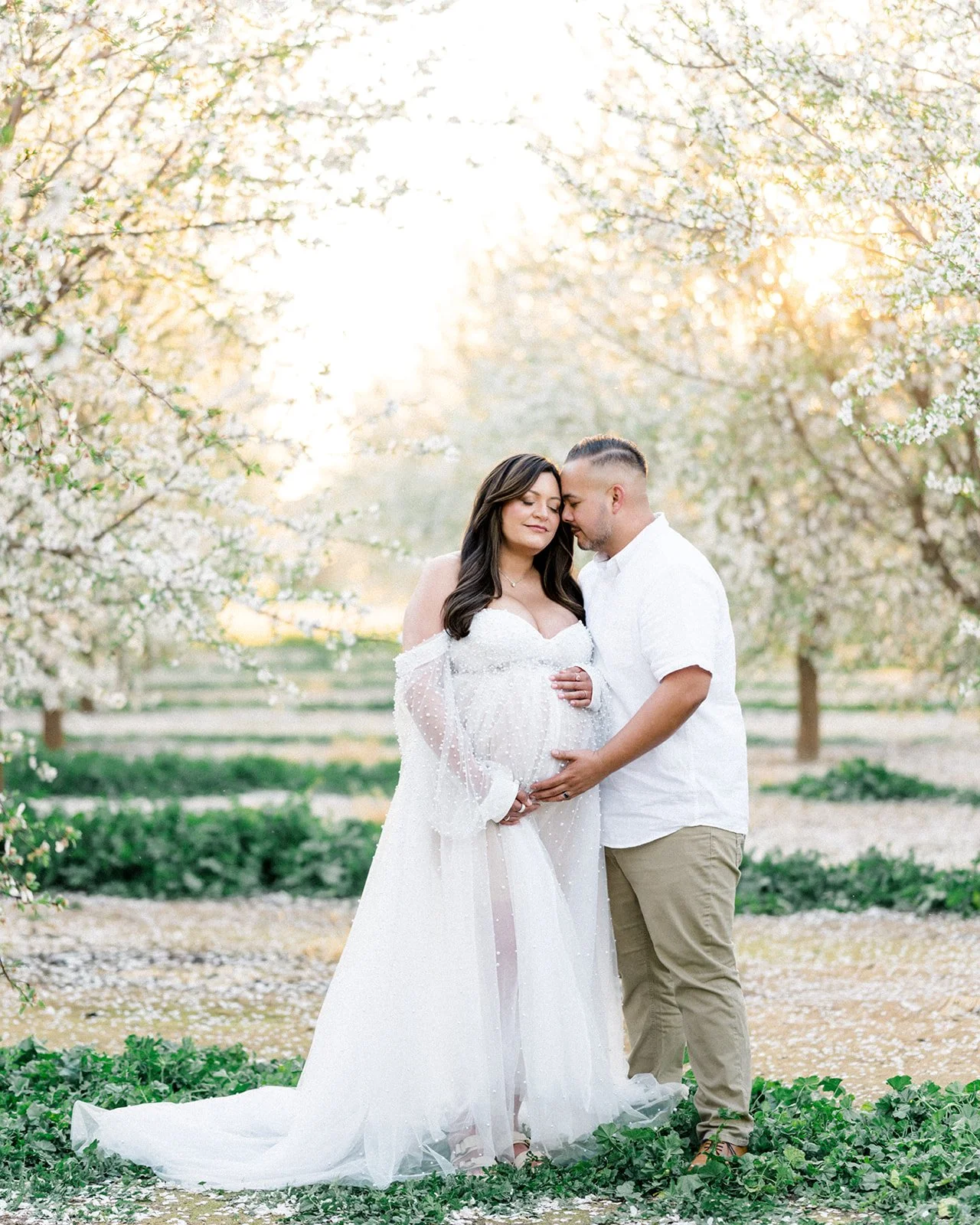
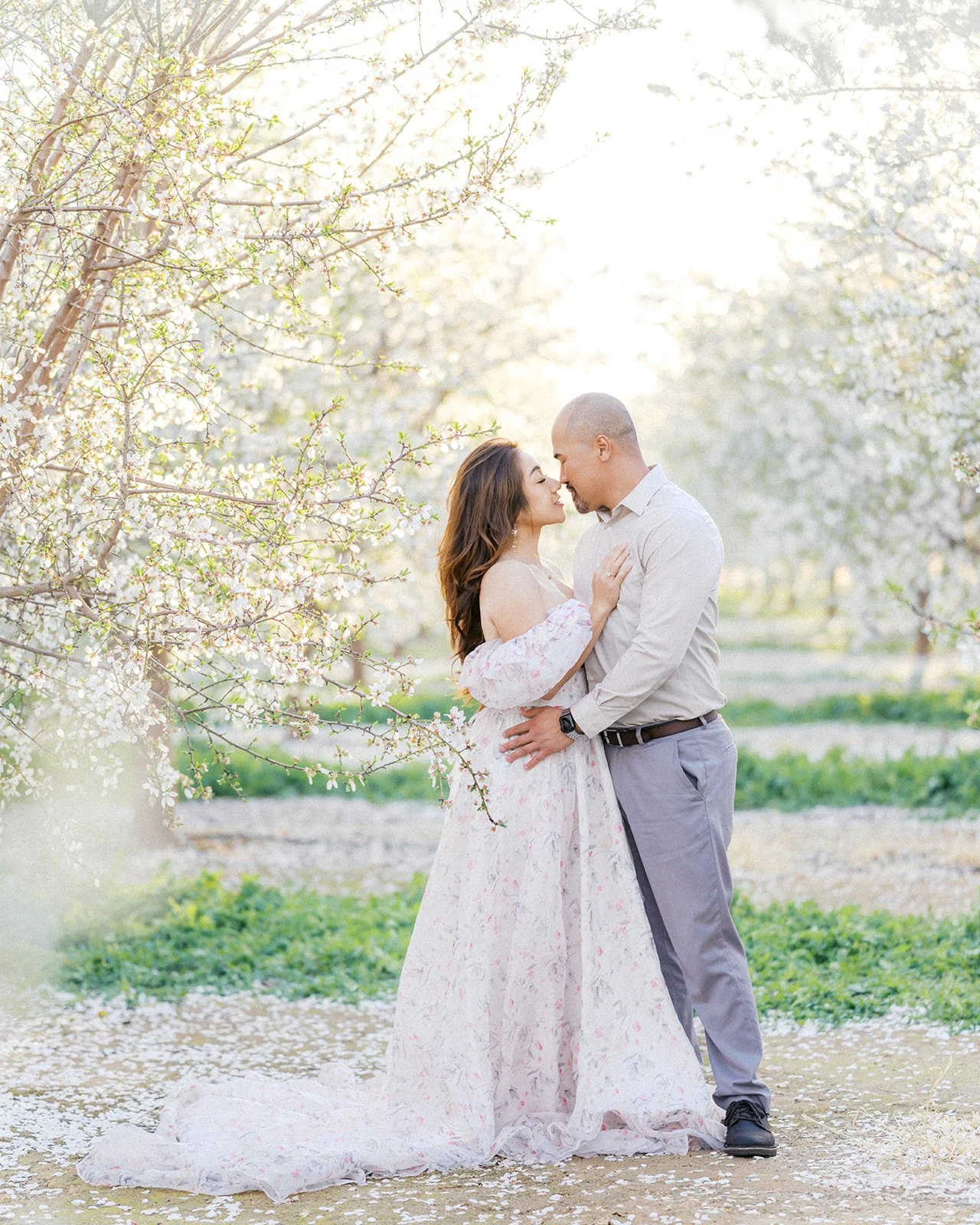
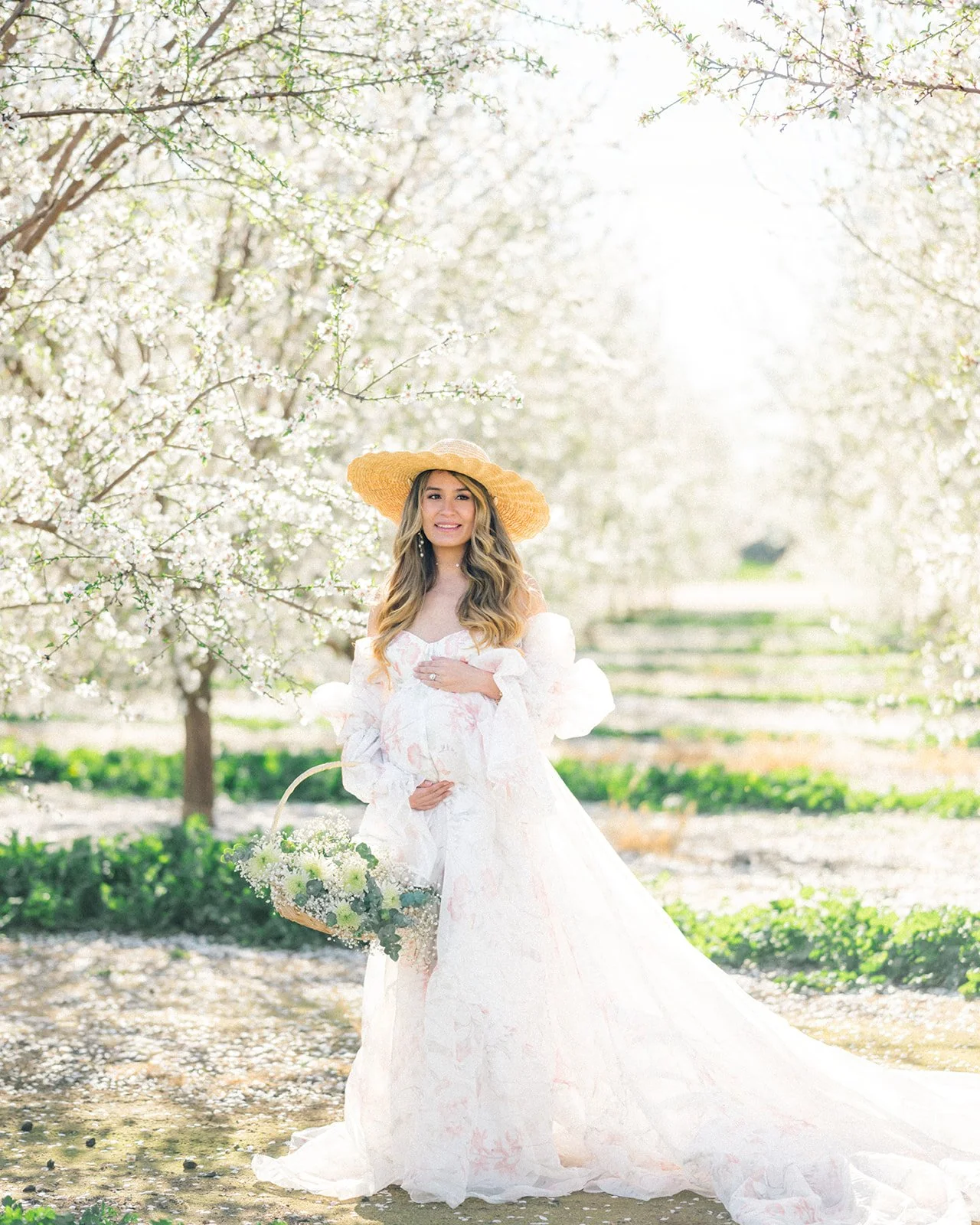


About Megan W Photography
Megan is a Fine Art Maternity, Couples, and Family photographer who was born, raised, and is still living in Malibu, CA. She is here to capture you and your loved ones in images that you will want to cherish, and pass down to future generations.
Not only is she a photographer, but she is a mother, wife, daughter, and sister.
Maternity, family, and couples hold a special place in her heart because she knows how quickly time flies by. Megan W Photography wants to help you preserve those sweet little smiles, those tender, affectionate moments, and the love you share with each other.
Browse by Category:
Categories
- August 2026
- May 2026
- April 2026
- January 2026
- December 2025
- November 2025
- October 2025
- August 2025
- July 2025
- June 2025
- May 2025
- April 2025
- March 2025
- February 2025
- January 2025
- December 2024
- November 2024
- October 2024
- September 2024
- August 2024
- July 2024
- June 2024
- April 2024
- March 2024
- December 2023
- November 2023
- October 2023
- September 2023
- March 2023
Latest Blog Posts:

Hi! I’m Megan
I’m a boutique, Malibu, CA based photographer who specializes in Maternity, Couples, and families. I serve Los Angeles and Ventura County, as well as all of California. I value tangible, heirloom art pieces versus digital and I focus on quality over quantity.
Browse
- Almond Blossoms
- Beach
- California
- Cherry Blossoms
- Couples
- El Matador
- Engagement
- Fall
- Family
- Flowers
- Gift Guide
- Locations
- Los Angeles
- Malibu
- Maternity
- Mountains
- New years Eve
- Outfit Ideas
- Photoshoot Tips
- Restaurants
- Southern California
- Spring
- Summer
- Things to Do
- Things to do
- Travel
- Tulips
- Valentines Day
- Wildflowers
- Winter
- elopement
- lavender
- wedding
Disclosure Statement
Meganwphotography.org participates in the Amazon Services LLC Associates Program and other affiliate programs. As an affiliate, I earn commissions on qualifying purchases made through links on this site, at no additional cost to you.
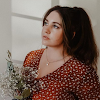
Discover the ultimate California Almond Blossoms Guide covering history, peak bloom season, and practical tips for experiencing these stunning spring flowers.